Agroecosystem Nutrient Cycling Research Group
  • Home
  • People
  • Research
  • Publications
  • Opportunities

Research

Cover crops and agricultural resilience
Picture
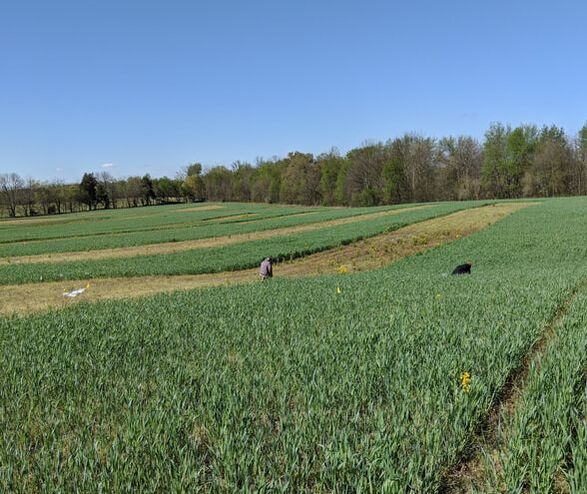
​Can cover crops be used to stabilize yield and optimal nitrogen fertilizer inputs in topographically-diverse fields?

With support from the Kentucky Corn Growers' Association, Southern SARE, and USDA NIFA, we are using field experiments and model simulations to study the impact of cover crop monocultures and bicultures on corn yields and optimal nitrogen fertilizer rates over time and space.

Corn roots and soil carbon storage

Picture
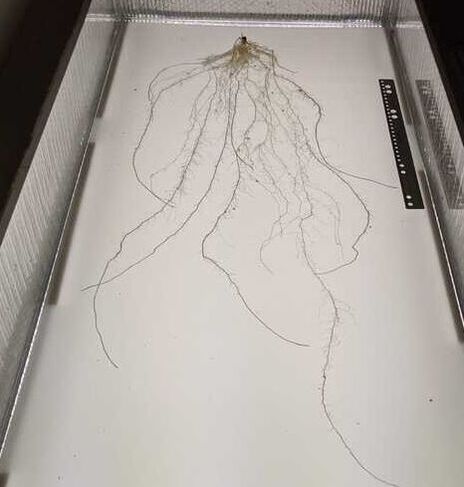
Which root traits are most effective at building soil organic matter?

​In collaboration with the University of Kentucky RhizoLab, we are studying how decades of breeding has changed corn root systems and what this means for soil organic matter formation and persistence. 

Biological nitrogen fixation for sustainable agriculture 

Picture
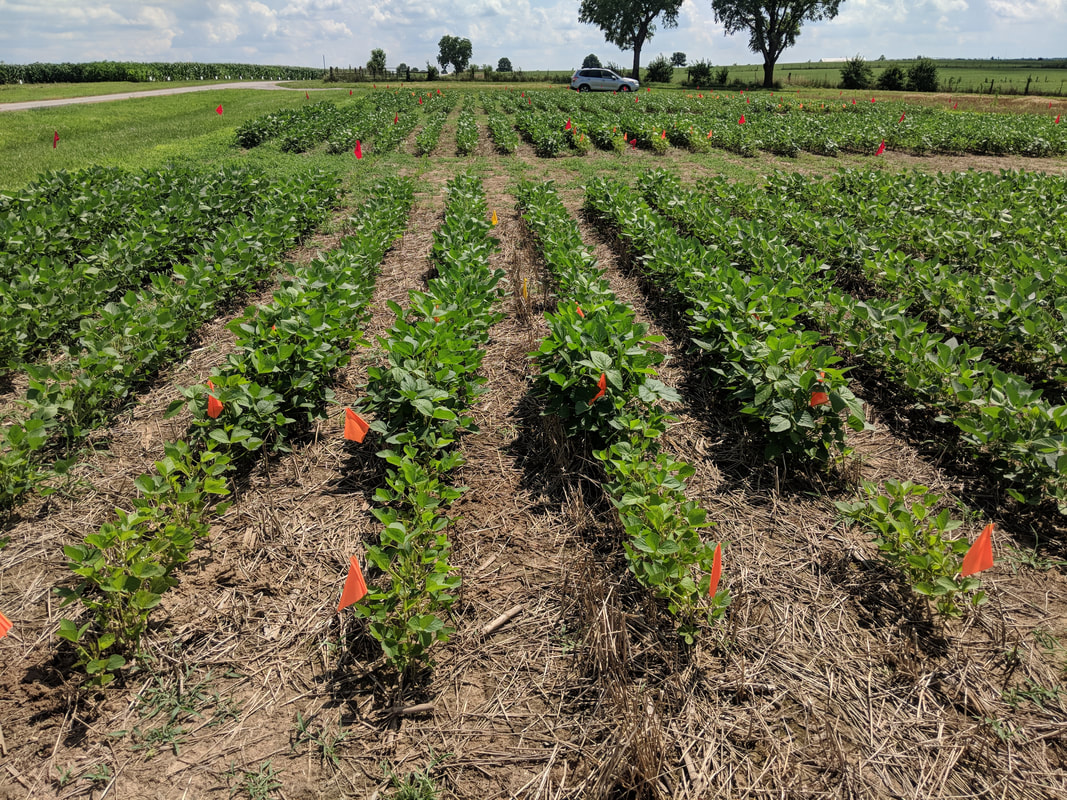
Can cover crops reduce nitrogen fertilizer inputs in cropping systems?

Dr. Poffenbarger is leading a national effort to study the fertilizer replacement value of cover crops for corn and cotton. http://precisionsustainableag.org/

We are also evaluating the impacts of grass cover crops on biological nitrogen fixation by soybeans. 

Soil fertility and crop quality

Picture
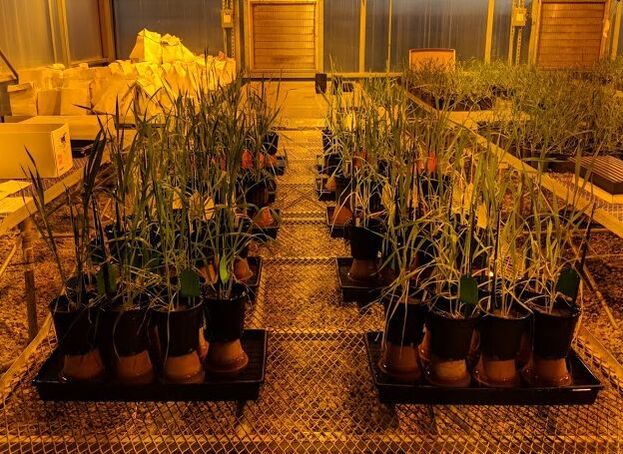
How do nutrient management practices affect the quality of grains and oilseeds?

Using greenhouse and field studies, we are studying the impact of cover crops, nitrogen, and sulfur fertilization practices on crop yield and quality.

Long-term research studies at Spindletop Farm

Picture

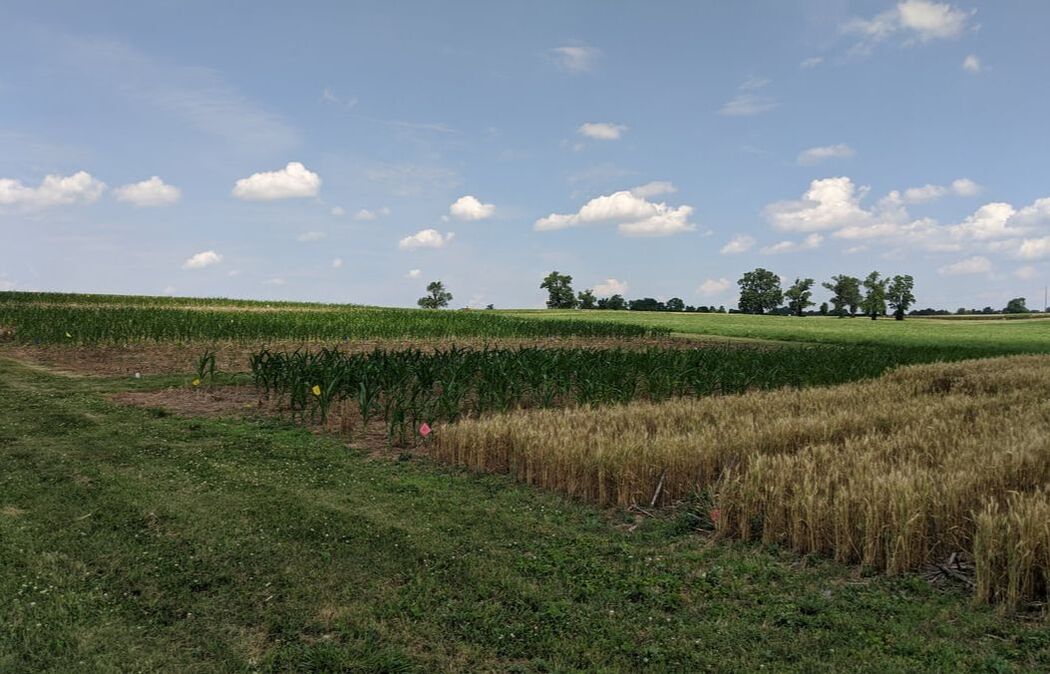
The Blevins Plots

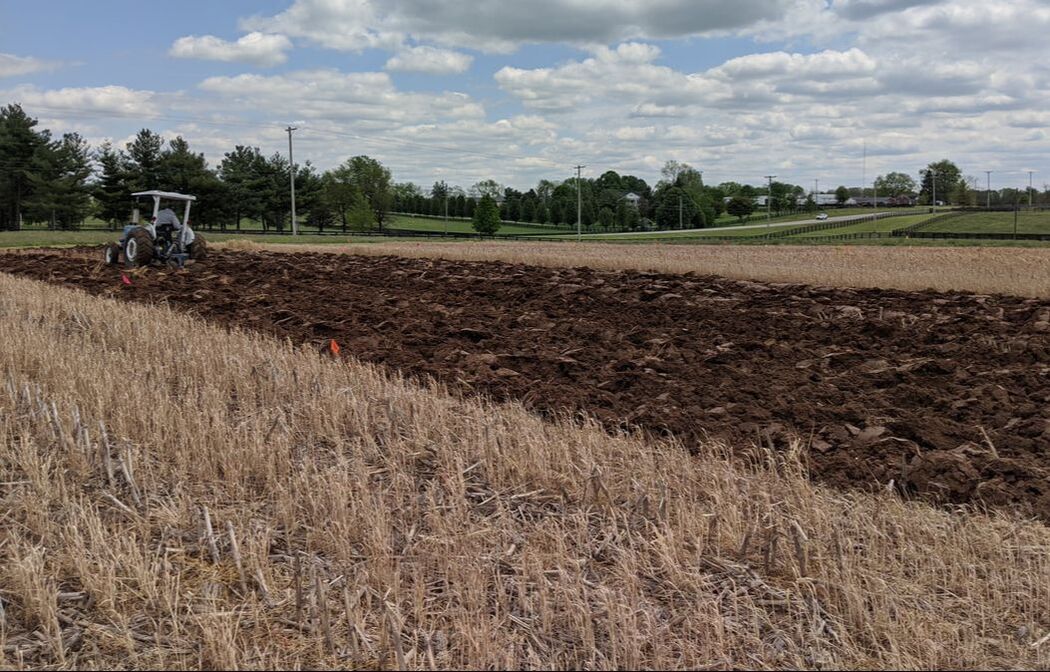
The Blevins long-term tillage experiment began in spring of 1970 when bluegrass sod was converted to crop production by either chemically terminating the sod (no-till) or plowing and disking (conventional tillage). The experiment is laid out in a split-block design with two factors (tillage system and N fertilizer rate) and four replications. The tillage system treatments include no-till and conventional tillage. The N fertilizer rates are 0, 84, 168, and 336 kg N/ha. Corn is planted each spring and harvested for grain each fall. A winter wheat or cereal rye cover crop is planted each fall and chemically terminated each spring. 
Picture

The Grove Plots

The Grove long-term rotation experiment began in spring of 1986. The experiment is laid out in a split-plot design with two factors (rotation and N fertilizer rate) and four replications. The rotations include continuous corn, continuous soybean, corn-wheat/soybean, and corn-corn-soybean-soybean. The corn and wheat plots are split into six different N fertilizer rate treatments. 
Proudly powered by Weebly
  • Home
  • People
  • Research
  • Publications
  • Opportunities